What to Write on the Back of a Photograph
- Written by
- Irina ChernyshenkoFounder, Cherish Days
- Published
- Reading time
- 3 min
- Topic
- Ideas, Family photos
In short
Start with what someone else wouldn’t know: the date, the place and who is in the photograph, from left to right, written gently in soft pencil. Then add the detail a phone can’t save, keep children’s words as they are and write for the person who finds the print years from now.
The story
Turn over an old family photograph and sometimes the most useful part is on the back: a name in pencil, a date, the name of a beach or a house, a few words about who was there.
Families have written on photographs for almost as long as they’ve kept them. Inscriptions appear in personal albums from the second half of the nineteenth century, and Australian collections still hold photographs whose handwritten notes identify the people, places and journeys in them.
Today that information lives elsewhere. The date is in the metadata, the location is in the phone, the story is in our heads. That’s why the back of a print is worth using.
Start with the things someone else wouldn’t know
The State Library of NSW recommends recording the date and place, who took the photograph and the names of the people in it, from left to right. On archival prints, write gently with a soft 2B pencil. AIATSIS gives similar advice and suggests asking relatives what was happening when a photo was taken.
So a first note might look like this:
Sydney, December 2026. Vasya, Marina and Leo. Christmas picnic.
It doesn’t need to be a diary entry. A few facts let the photograph make sense to someone other than the person who printed it.
Then add the part a phone can’t save
The date and place are useful. The personal detail is what makes the note yours: a phrase your child said all year, the name you gave a place as a family, who took the picture, why you chose this one out of twenty.
These details disappear first, because at the time they feel too obvious to write down. Writing them takes a minute.
Keep children’s words as they are
Children write good captions when nobody asks them to write a caption. Ask what’s happening in the photo and write down the answer.
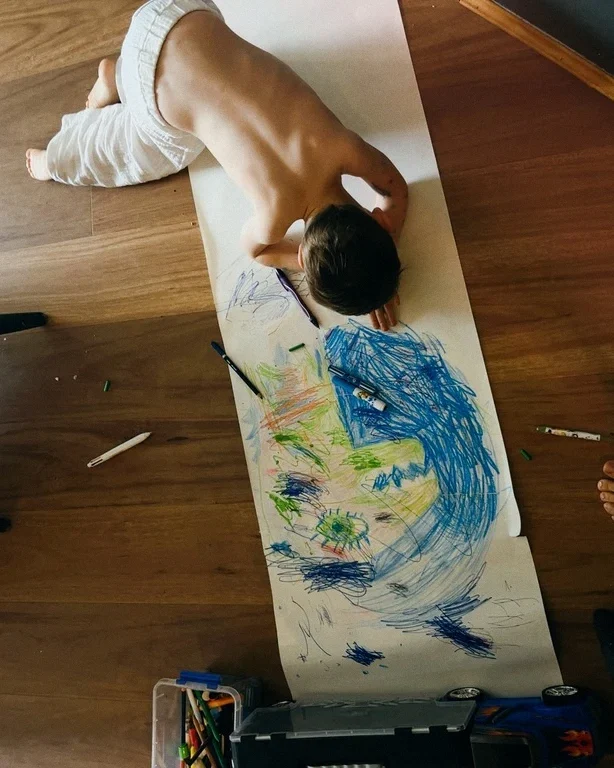
If they write it themselves, leave the spelling. Their words belong to that age as much as their face in the photo does.
A Western Australian study with three- and four-year-olds found that personalised printed photobooks helped them talk about their experiences with their families. The photos gave them something to come back to while they explained what they remembered. It’s worth borrowing for a family collection: leave some of the storytelling to the people in the pictures.
A caption can be very short
For some photos, names and a year are enough. Others deserve one line:
Your first day without training wheels.
The summer you refused to take this hat off.
Taken by Grandma.
You chose this one yourself.
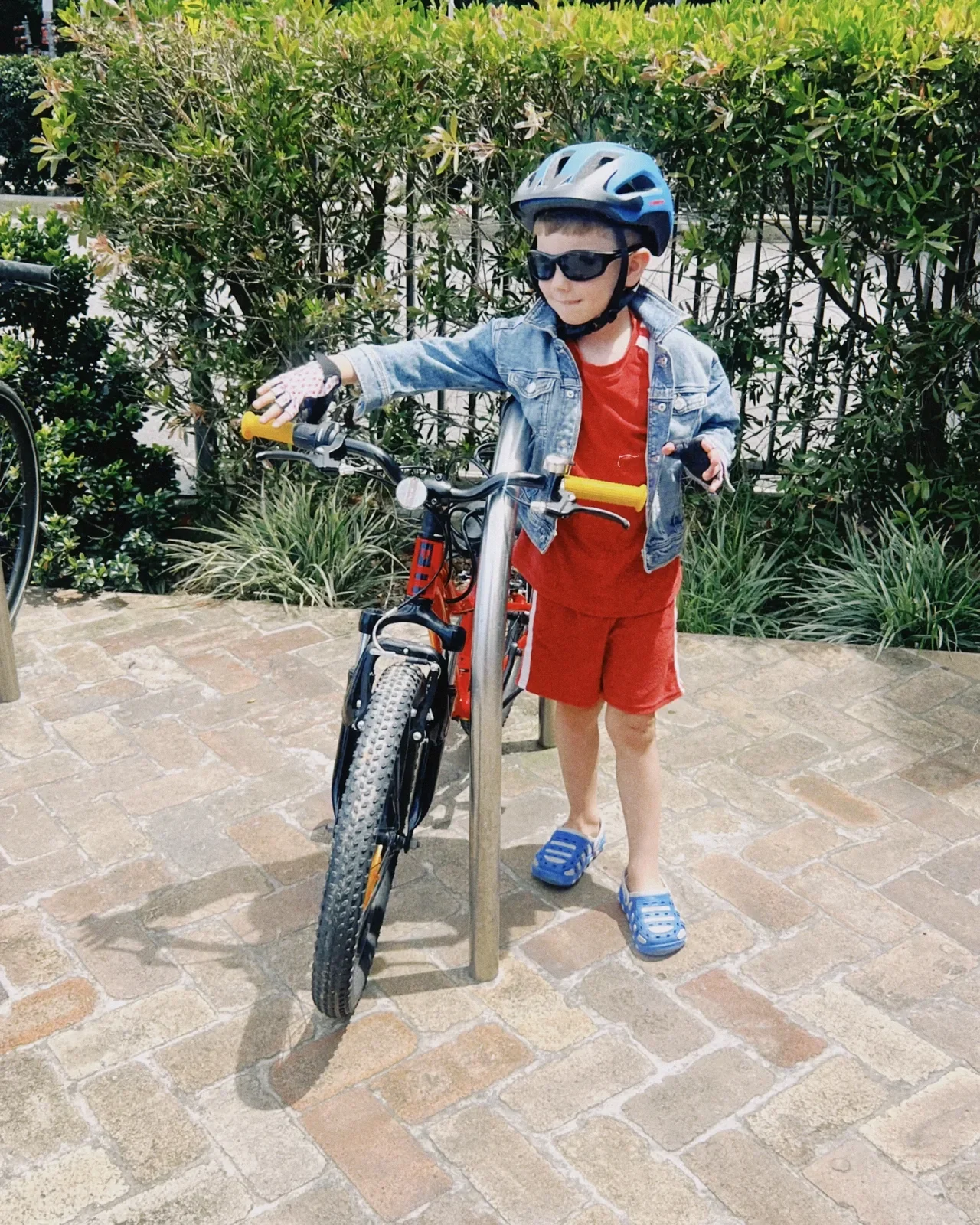
The best note is the one you can imagine being glad to find again.
Write for the person who finds it later
Old photographs get hard to identify sooner than you’d think. AIATSIS points out that unlabelled photos leave families guessing who is in them and where they were taken, and the National Library of Australia treats inscriptions as clues when identifying family pictures.
Our own photos feel familiar because we know everyone in them. A few names and words on the back keep that knowledge with the print.
This is why our photo cards have a blank back
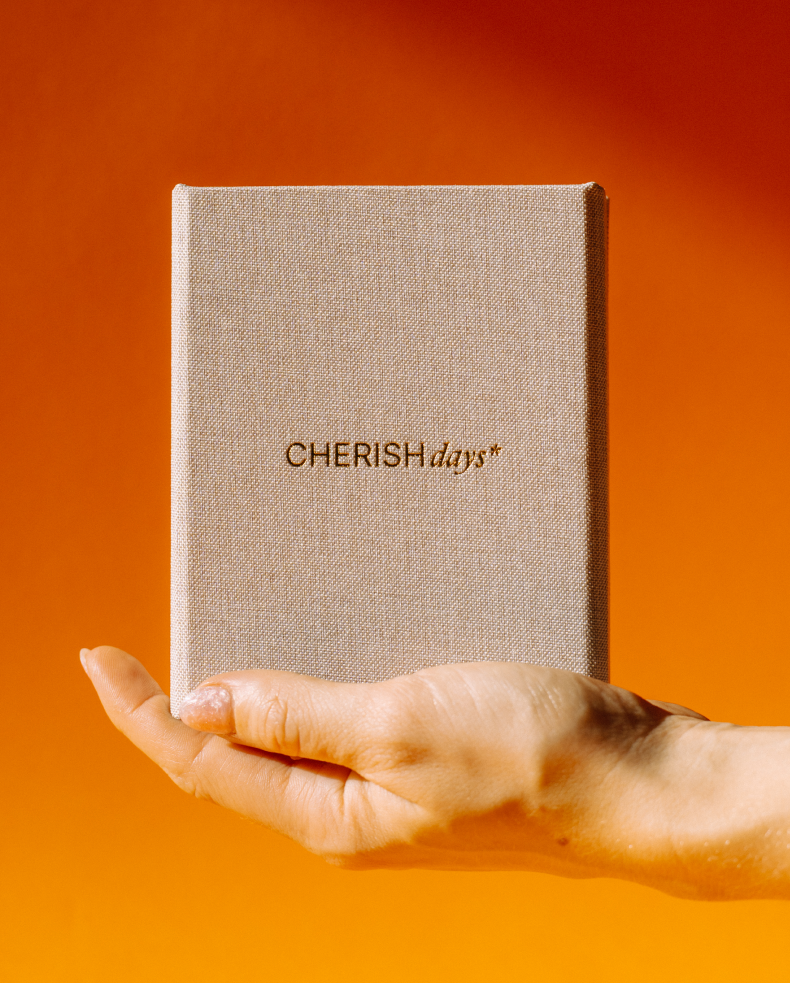
Cherish Days photos are printed as Polaroid-style cards with a matte back, and I wanted that back to be useful.
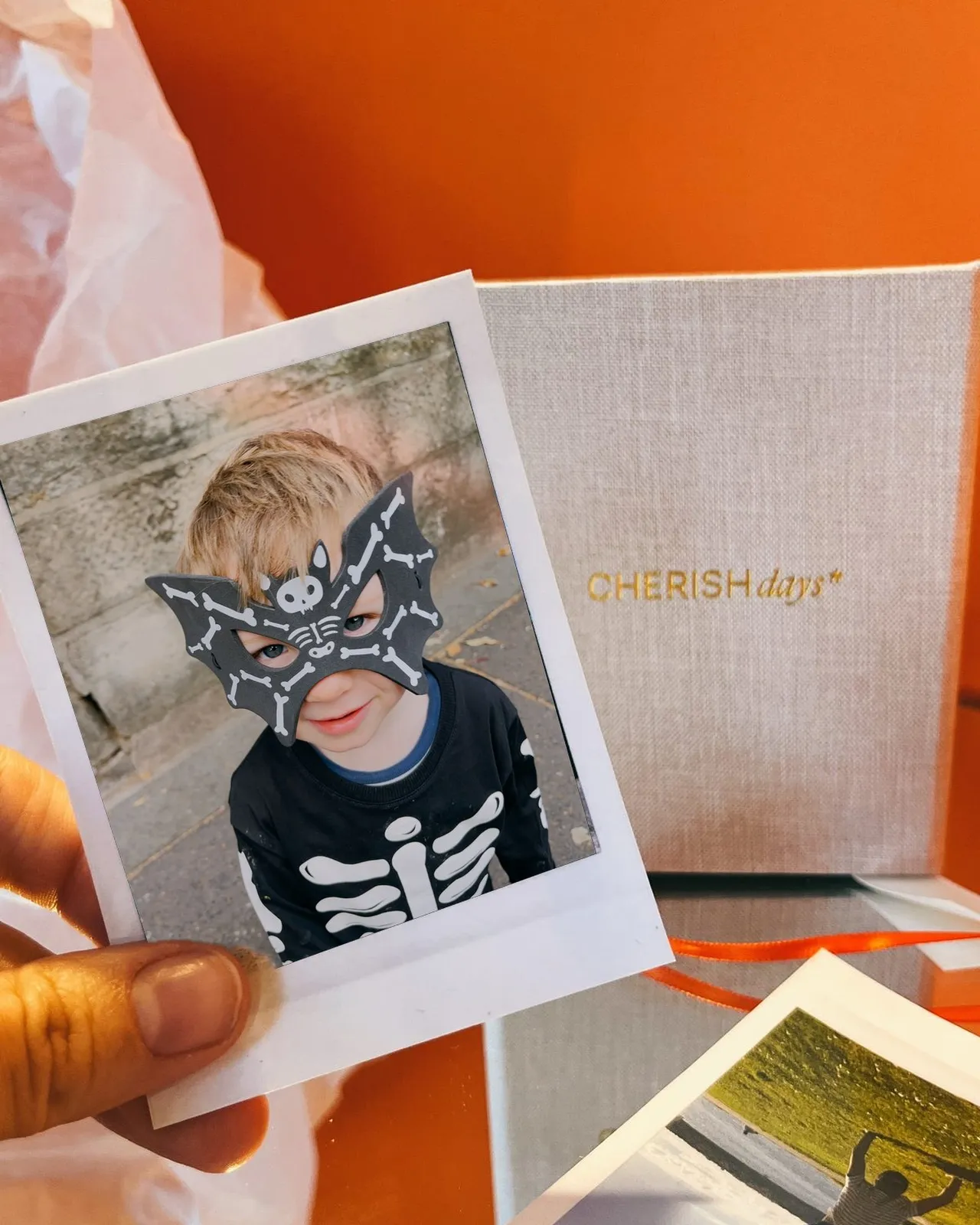
Leave it blank, add the date, write a message before you give the box to someone, or add notes as the collection grows. You don’t have to caption all 24 at once. Start with the ones that already have something to say.
Years from now, someone may turn one over and be glad you did.
Sources
State Library of New South Wales, Looking after your family history records and photos
AIATSIS, Photographs and Preserving your own archive
National Library of Australia, Finding and dating photographs
Anna Dahlgren, Dated Photographs: The Personal Photo Album as Visual and Textual Medium