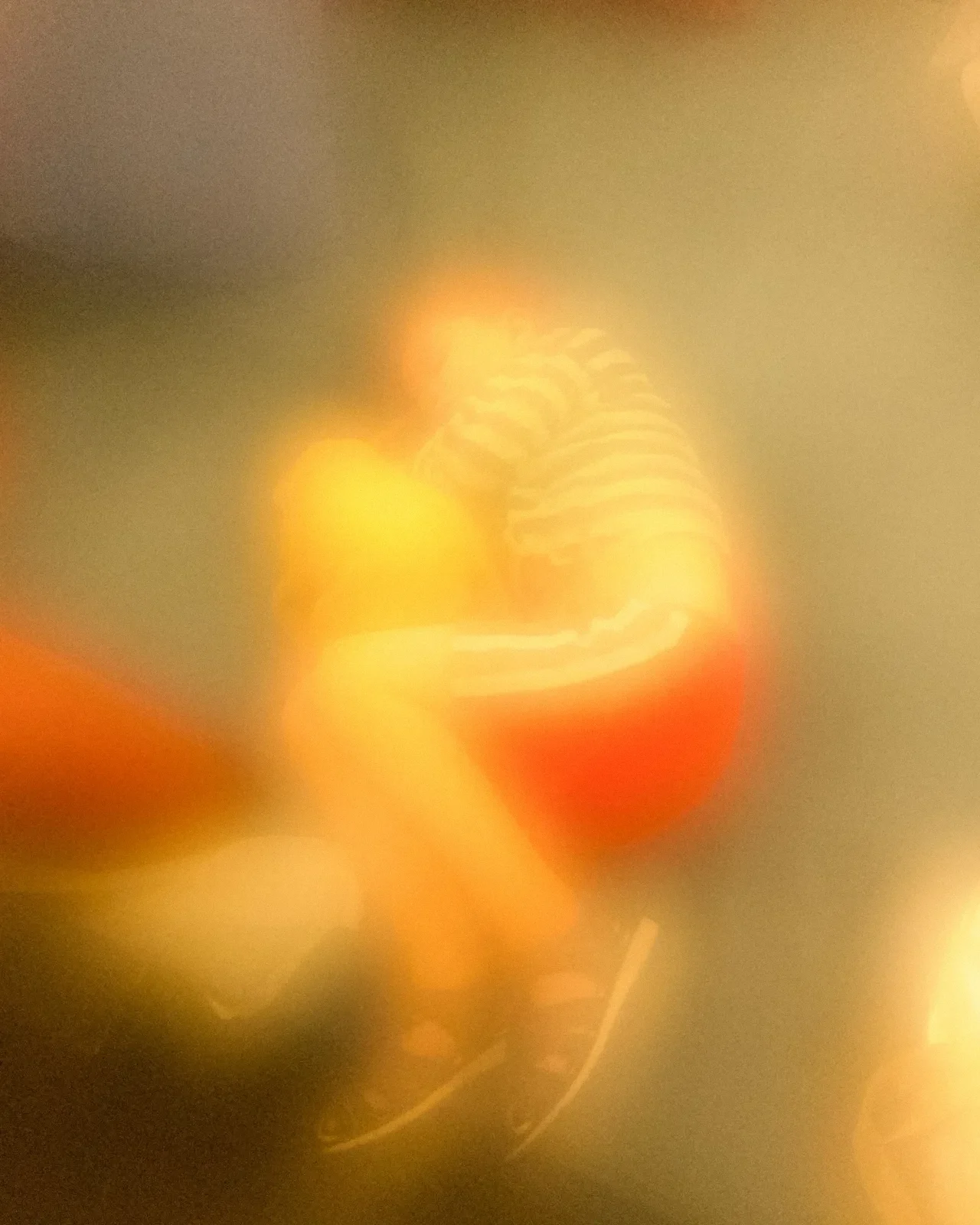
The Photos We Nearly Delete
- Written by
- Irina ChernyshenkoFounder, Cherish Days
- Published
- Reading time
- 2 min
- Topic
- Ideas, Phone photos
In short
Before deleting a blurry or awkward photograph, ask whether you like what is happening in it. Candid, imperfect pictures often hold the details of a year that posed ones miss, and your family collection can follow different rules from your camera roll.
The story
There’s a kind of photograph that rarely survives a camera roll clean-up. Someone moved. The composition is odd. Nobody is looking at the camera. The next frame is sharper.
So it goes. Yet these are often the ones worth a second look before you press delete.
A good family photograph has its own criteria
Phones have taught us to expect a lot from every picture. We take ten versions in seconds, keep the sharpest face and delete the rest, and our photo libraries flag duplicates, blur and closed eyes for us.
That’s handy. For a family collection, I’d ask one more question before deleting:
Do I like what is happening here?
Candid photographs give us something posed ones don’t always have
Across five studies, researchers Jonah Berger and Alixandra Barasch looked at how people respond to candid and posed photos. Viewers felt more connected to people shown candidly and saw them as more genuine.
The research was about how we see other people, not about family albums, so it can’t tell you which photos will matter to you in ten years. But it hints at why an unposed picture feels alive. A face mid-laugh says something different from the shot two seconds later, when everyone is ready.
Keep both.
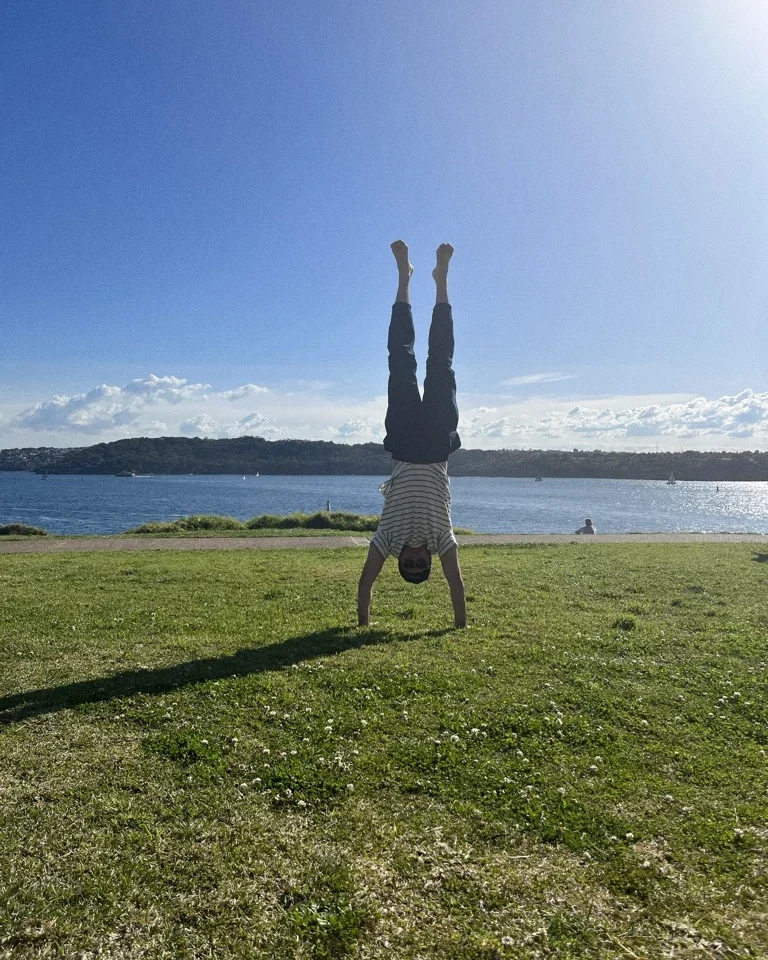
Sharpness isn’t the whole photograph
A technically imperfect photo can still hold the detail you want: the way someone moved, what was going on around them, a room before it changed, a favourite toy on the floor, the people who weren’t meant to be in the frame.
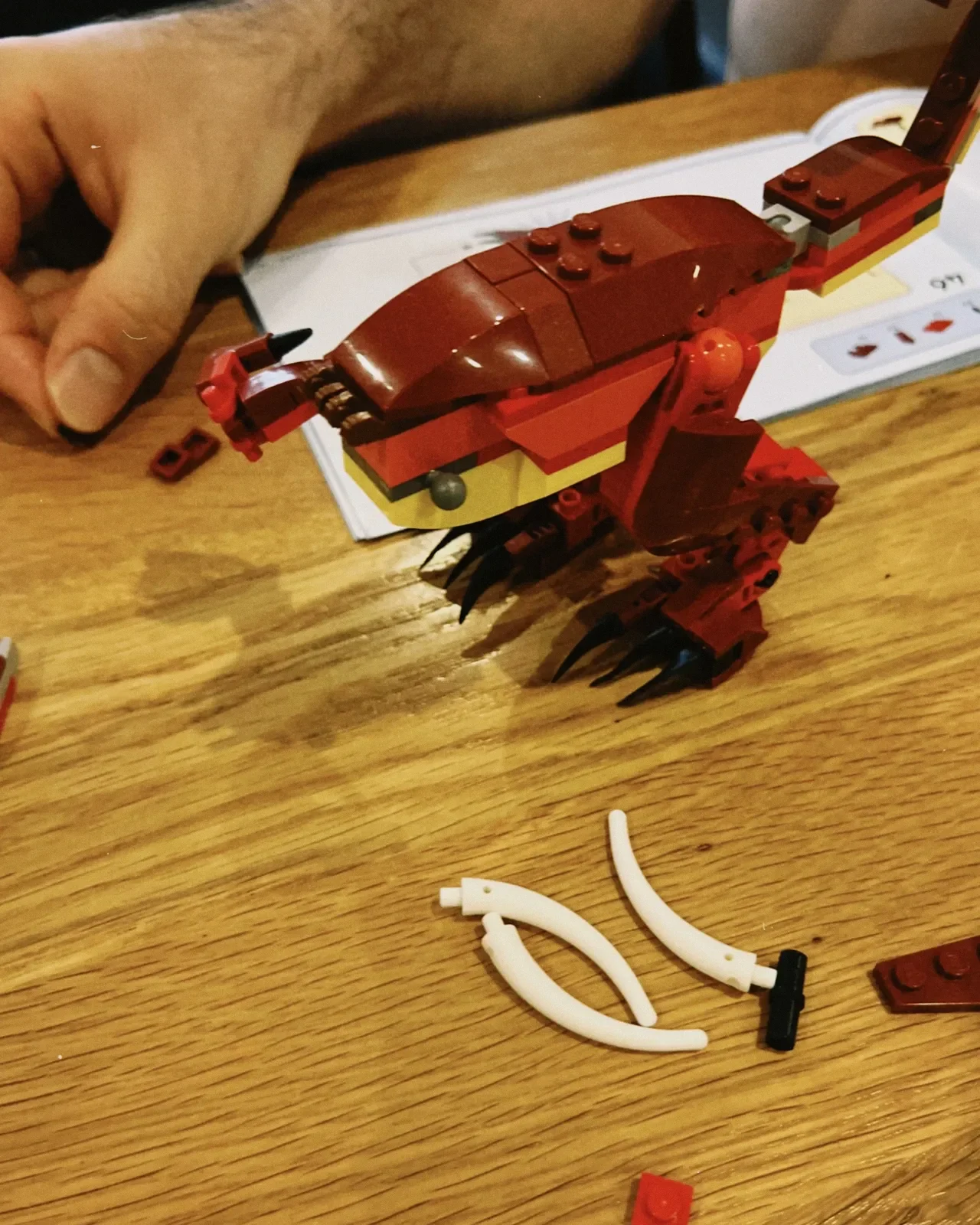
I wouldn’t fill a box with twenty-four blurry photos. But I wouldn’t delete one I love just because another has better focus.
Taking photographs changes what we notice
The research on photos and memory is more mixed than “phones make us less present”. Some studies found that taking photos can make an experience more enjoyable when it gets us more engaged. Others found that what we remember depends on how we take the picture and where our attention goes. Looking at photos later also helps us remember.
So you don’t have to photograph everything, and you don’t have to stop. Notice what made you reach for the camera.
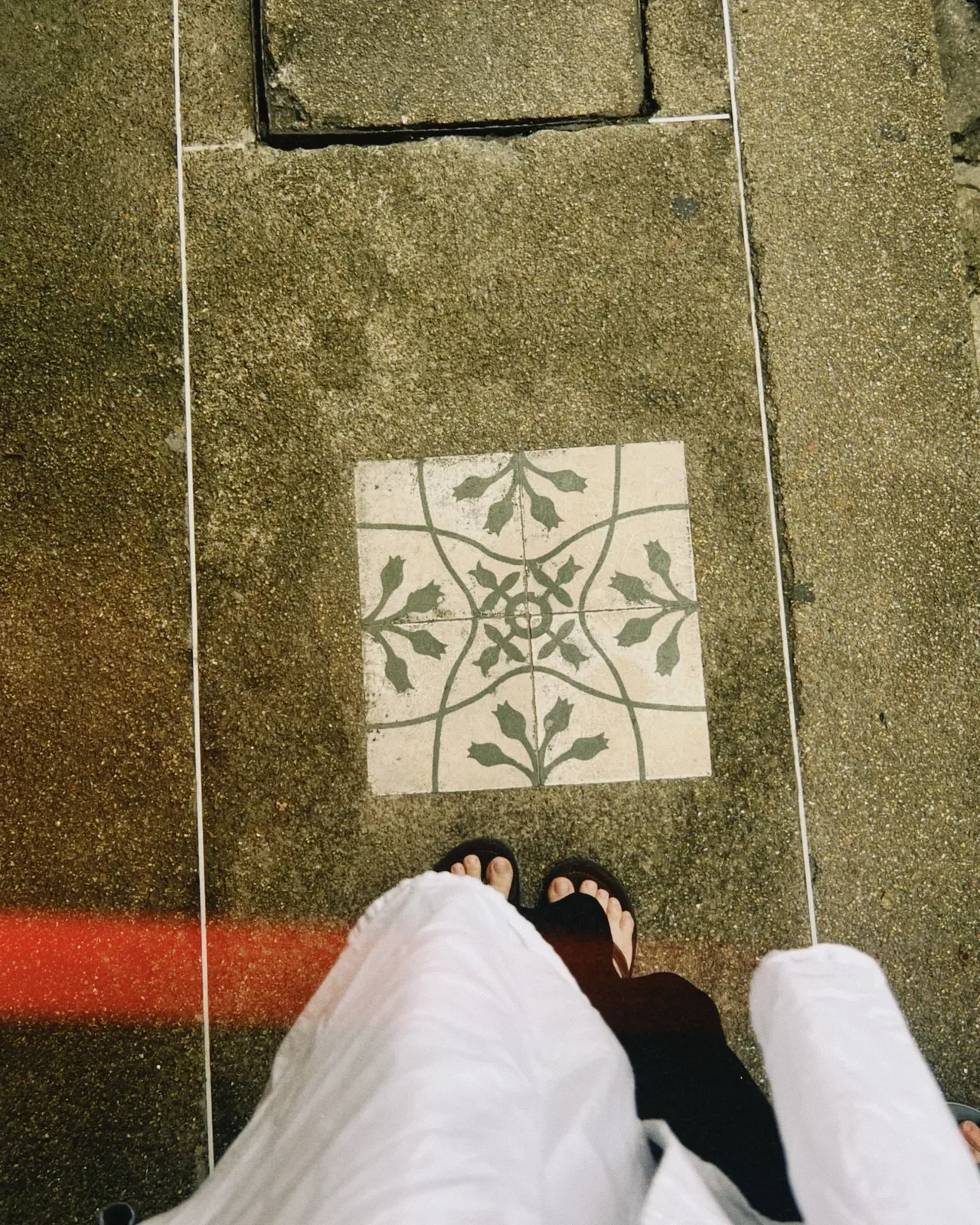
That reason can matter more than whether the photo would make a perfect post.
Your camera roll and your family collection can have different rules
A photo chosen for Instagram has an audience. A photo chosen for your family can be far more specific: the joke only four people understand, the strange face your child makes all the time at five and will probably stop making by six.

Family photos are allowed to need context.
Before deleting, make one more pass
When I’m choosing what goes in a Cherish Days box, I use one simple filter:
Would I be happy to find this photograph in ten years?
It lets in photos that would never win “best shot”.

Keep the well-composed portrait and the one where everyone looks good. And keep a few that carry the year in a messier way. They may turn out to be the ones you reach for first.