The Photos We Come Back To
- Written by
- Irina ChernyshenkoFounder, Cherish Days
- Published
- Reading time
- 3 min
- Topic
- Traditions, Family photos
In short
Most of us already love looking back at our photos, and printed pictures help children tell their own version of what happened. At the end of the year, choose twelve favourites together, add a few words to each and let them come back one month at a time.
The story
One detail in a Western Australian study made me smile. A boy who had been quiet with the researcher took his photobook home and happily explained the pictures to his grandparents. They made a fuss of him having a book of his own.
The study, published in 2021, followed 20 children aged three and four in a science programme. Their personalised printed photobooks helped them talk about what they’d done with the adults around them.
I like the idea of giving children that turn: they choose the picture, explain what was happening and decide which part of the story matters.
We already enjoy looking back
When Google surveyed 1,000 Australians in 2015, nine in ten said they revisited old photographs, and one in five did so at least weekly. Friends and family were the favourite subjects, named by 44%.
At least weekly. We spend a lot of time taking photographs, and we clearly enjoy going back to them too. Looking through a year of photos together gives that habit a place, with the children choosing as well.
Your favourites don’t need a big audience
In a 2021 study, researcher TJ Thomson looked at 4,723 smartphone images from 13 young people in Australia, taken over four weeks, screenshots included. About 6.5% had been posted to social media.
It’s a small study, but it shows the gap between the photos we take and the ones we show. A family collection works differently: a picture only has to matter to the people who were there.
Children have their own version of the year
Back to the photobook study. The printed pictures gave children something to come back to while they explained what they remembered, and their version became part of the conversation.
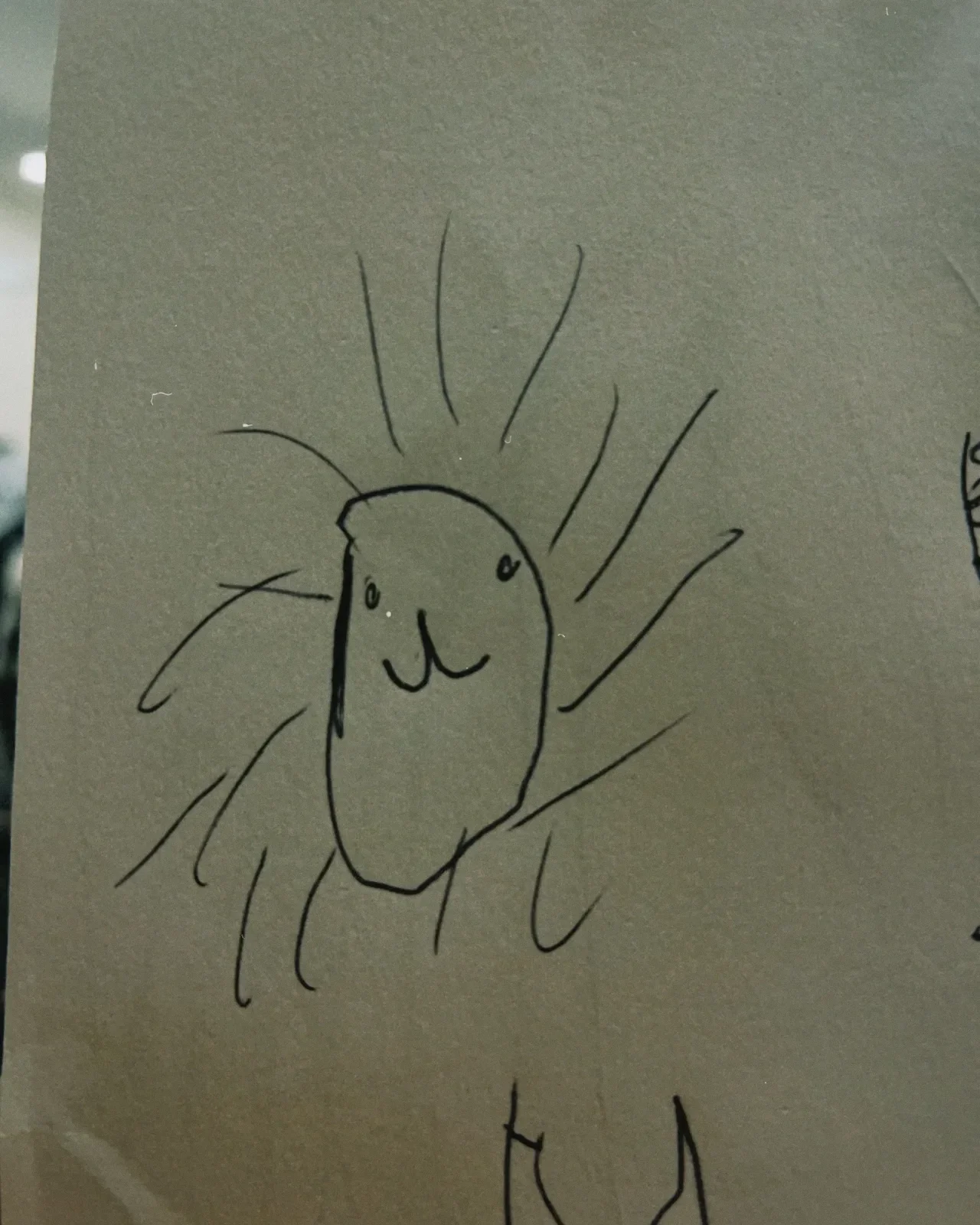
So when you choose photos from the year, let the children pick some of their own. Ask what they remember and keep their words with the pictures. They’ll notice things the adults missed.
The story around a photograph matters too
AIATSIS recommends recording who is in family photographs, along with dates, places and what was happening.
It’s easy to assume we’ll always remember. Years later, even simple details are gone. A few words are enough: who was there, where you went, what your child called that place, why everyone kept laughing.
The favourites are worth looking after
Almost half the people in Google Australia’s 2015 survey had lost photographs they valued, to failed computers and hard drives, accidental deletion or pictures left on old phones.
The State Library of NSW recommends keeping printed photographs away from water and sunlight, storing them in suitable materials and keeping digital copies. Choosing what to print is a good moment to check the originals are backed up.
Twelve months, twelve stories
At the end of the year, choose twelve photographs together, one for each month.
They don’t have to be the big events. A person you saw often, a place you kept going back to, something your child made, a holiday, a new obsession, or just a photo everyone loves.
Add a few words while the story is fresh, and let everyone have a say.
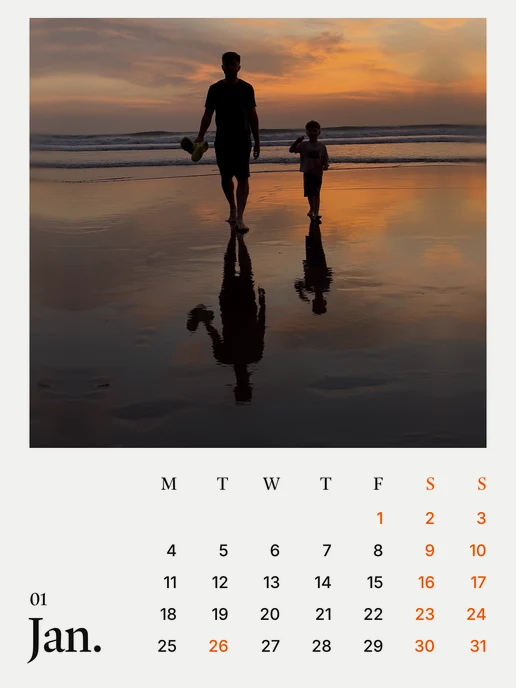
Then take those twelve into the next year. A family photo calendar gives each one a month to stay around, instead of disappearing further down the camera roll. By December, it has travelled through another year with you.
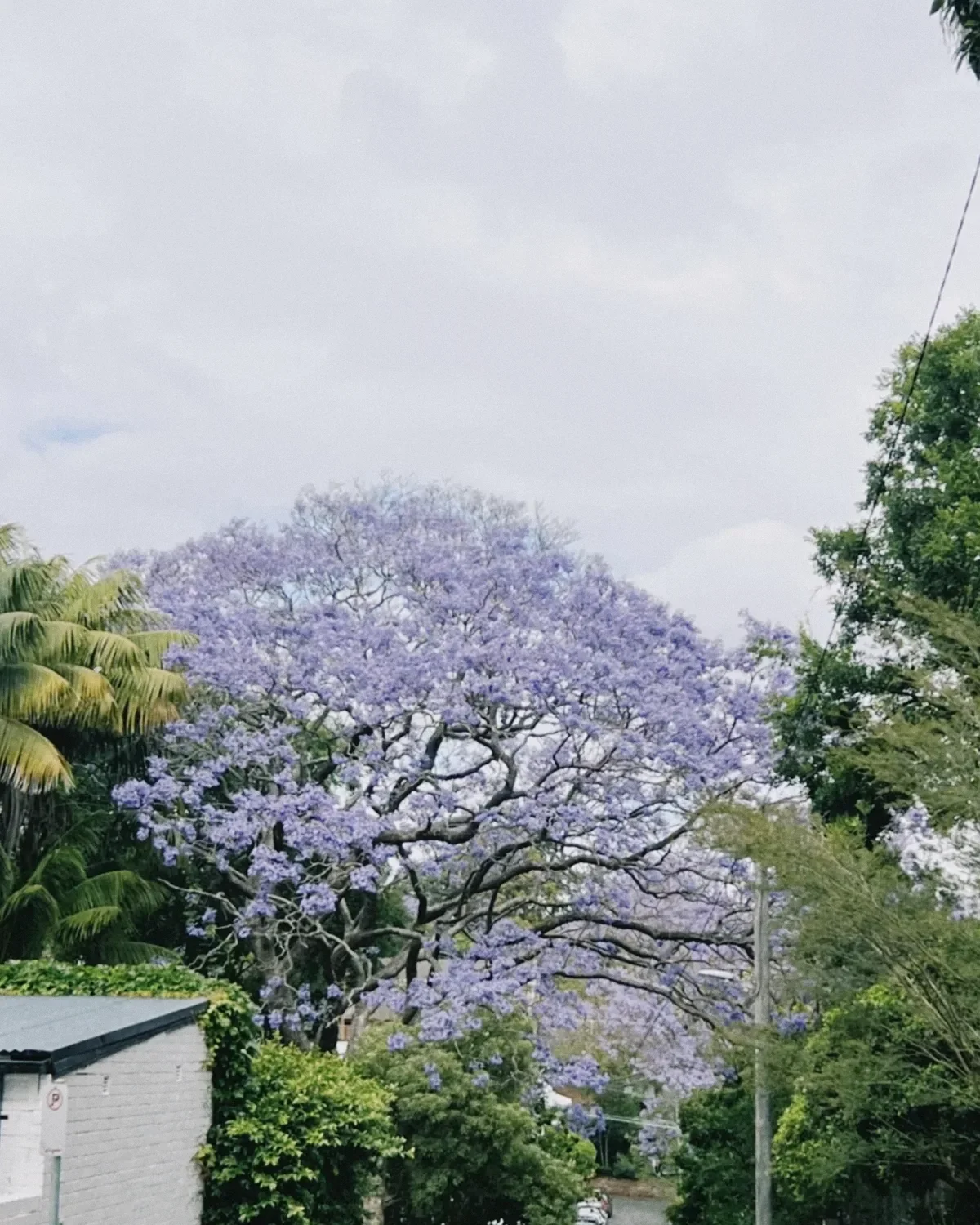
And then it’s time to choose the next twelve. That’s the kind of tradition I want Cherish Days to make space for.
Sources
Google Australia, Aussies love their photos (2015)
TJ Thomson, Exploring the Life Cycle of Smartphone Images from Camera Rolls to Social Media Platforms (2021)
Christine Howitt & Léonie Rennie, research into personalised photobooks and young children’s learning (2021)
Australian Institute of Aboriginal and Torres Strait Islander Studies, family history guidance on photographs
State Library of New South Wales, guidance on preserving family photographs